TiECon Canada 2025 took place on 7 November 2025 at Carleton University’s Richcraft Hall in Ottawa, organised by TiE Ottawa under the theme Opportunity in Disruption. Ryan Hanley joined the afternoon panel, The State of AI: What’s Real, What’s Next, and What Entrepreneurs Must Know, to speak on how emerging AI systems could disrupt traditional industries.
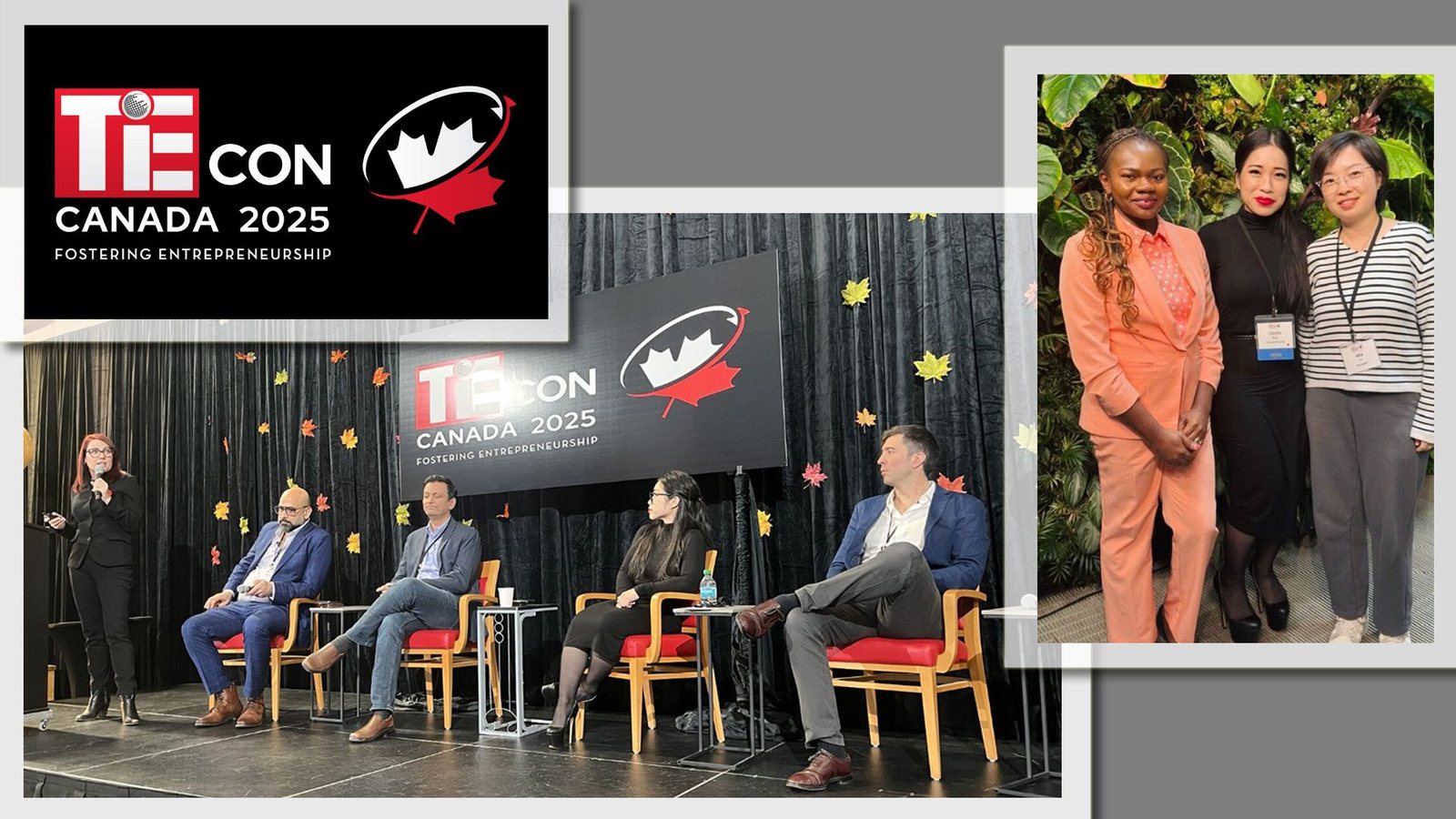
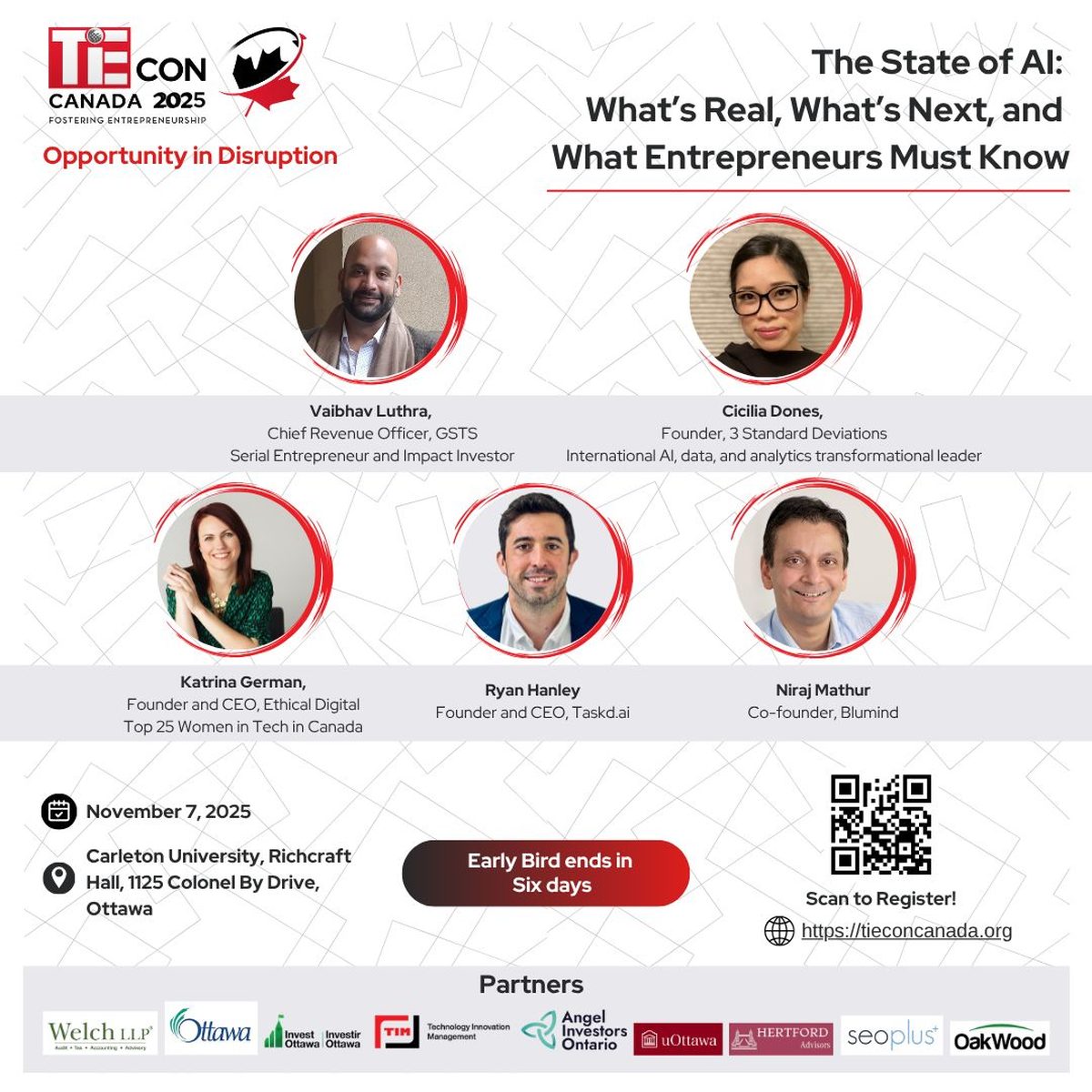
The format gave each speaker seven minutes before a moderated discussion. Niraj Mathur covered physical AI and edge intelligence, Dr Cecilia Dones spoke on artificial intimacy and digital trust, and Katrina German addressed Canadian AI policy. Ryan took the commercial angle: where the disruption will actually land, and why most of it has not landed yet.
The bigger picture
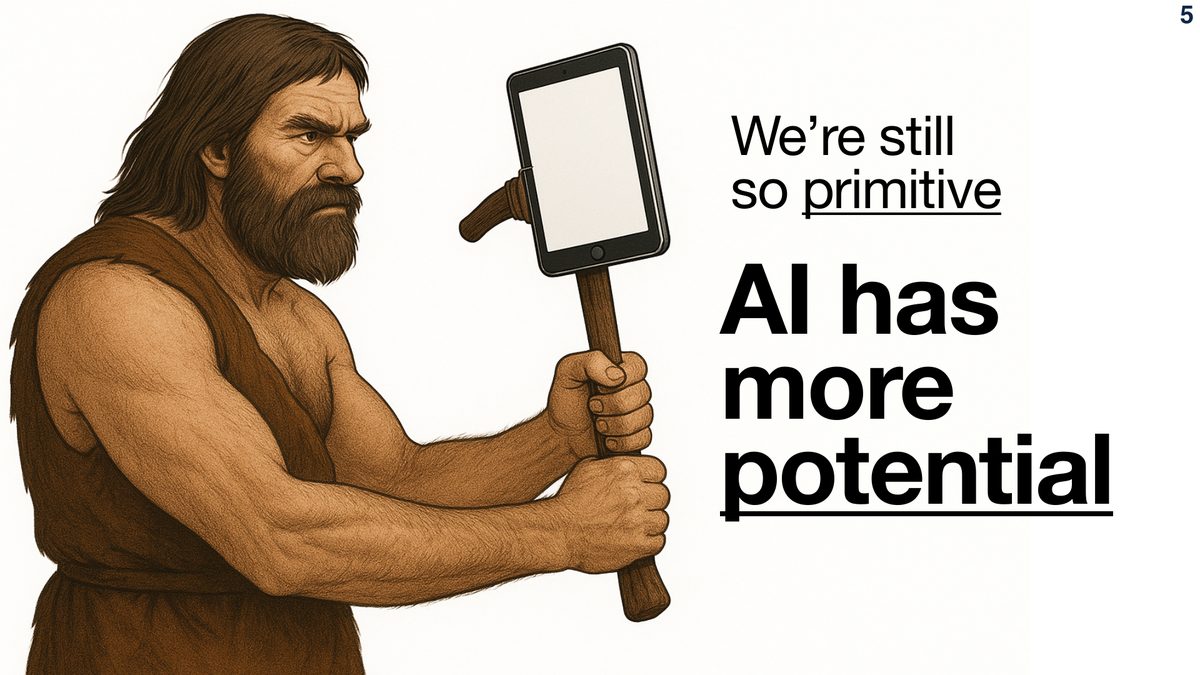
His talk opened with the claim every AI demo makes, that anything you can do the model can do better, and the answer any operator with a real workflow gives back: no, you can’t. Not yet, and not because the models are weak. The technology is new but the ideas we bring to it are old. We use a system that can read everything to draft an email, the way early tablets were used as expensive notepads. We are, Ryan argued, still primitive in our use of it, and the potential is far larger than the current applications suggest.
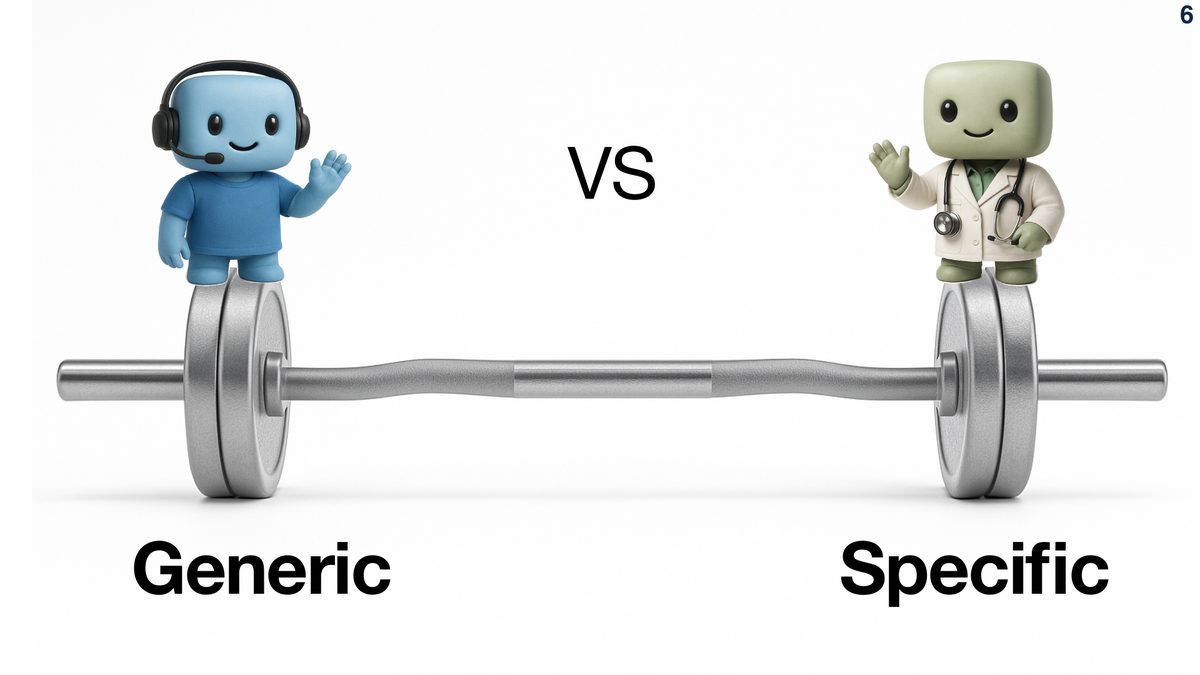
The disruption, in his view, comes from the second half of the argument: generic versus specific. A general assistant knows a little about everything and nothing about your customers, your pricing exceptions or the rule your best operator applies without thinking. The systems that change an industry will be the ones built on that specific knowledge, structured so that it can be applied consistently and checked afterwards. That is a harder engineering problem than a chat interface, and it is where the value in traditional industries sits.
TiECon Canada is TiE Ottawa’s annual conference for entrepreneurs, with partners including Invest Ottawa, Welch LLP, Angel Investors Ontario and the University of Ottawa.